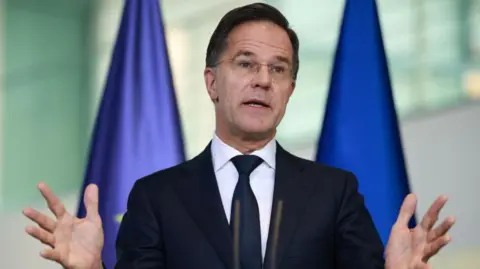
NATO countries' pledge to spend 5% of their economic output on defense is Donald Trump's biggest foreign policy success, according to Dutch Prime Minister Mark Rutte. In an interview with the BBC, Rutte emphasized that NATO has become stronger largely due to Trump's influence, suggesting that his administration's pressure on European allies to increase their defense budgets has yielded positive results for the alliance and for Ukraine.
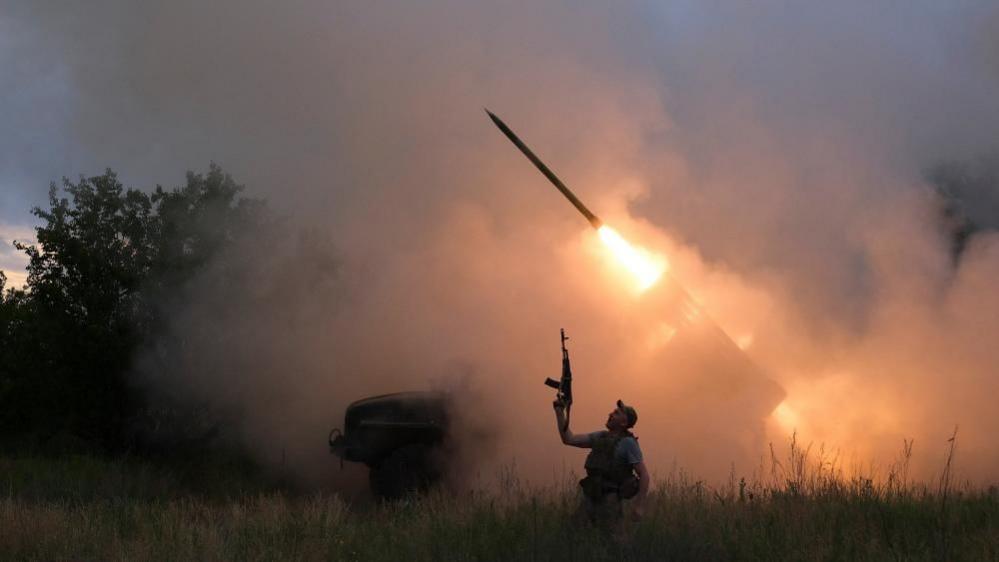
The NATO chief warned that Russia could launch attacks against NATO allies within the next five years, following a series of aggressive actions from Moscow, including the annexation of Ukrainian territories. Trump had previously harshly criticized European nations for their lower levels of defense spending, threatening to reevaluate US military support if these allies failed to meet their commitments.
Rutte commended Trump's efforts, stating that since the former president's term, NATO is now more prepared for potential threats, especially from Russia. This statement comes amidst ongoing negotiations regarding a proposed peace plan for Ukraine, which some critics argue favors Russian interests.
President Putin responded to NATO's claims of a Russian threat by dismissing them as pure nonsense. He emphasized that Russia's military operations are not aimed at Europe but at reclaiming what he deems to be historical lands, hinting at the ongoing tensions surrounding the conflict in Ukraine.
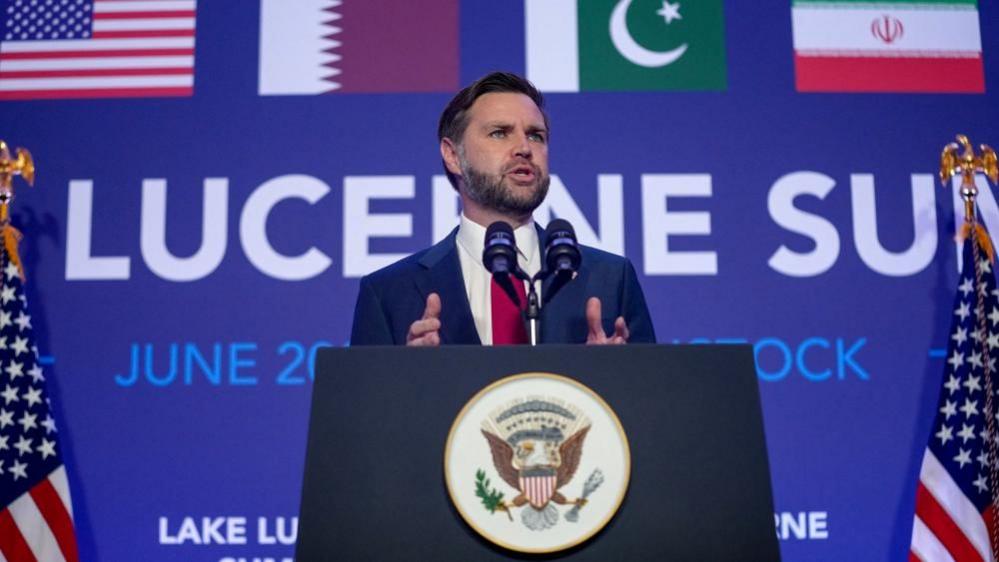
NATO's member countries, pressured by Trump's administration, committed to increasing military spending during their summit in The Hague in June. Prime Minister Rutte expressed that without the implementation of those commitments, NATO could become weaker than Russia in the upcoming years, a scenario he deemed extremely dangerous.
This evolving narrative surrounding NATO, Trump, and Russia underscores the complexities of international relations in the current global climate, where defense and diplomatic strategy are as crucial as ever to international stability.