As the U.S. Senate prepares to vote on two competing health care proposals, the future of COVID-era subsidies for affordable healthcare stands in the balance. The outcome is crucial, with reports indicating that millions of Americans could face significantly higher insurance costs if these subsidies expire.
Scheduled for votes on Thursday, neither proposed bill is expected to pass, leaving a growing number of Americans concerned about affordability as premiums could potentially double in the New Year. The current enhanced subsidies have been critical in making health insurance accessible for over 24 million people, including small business owners and self-employed individuals.
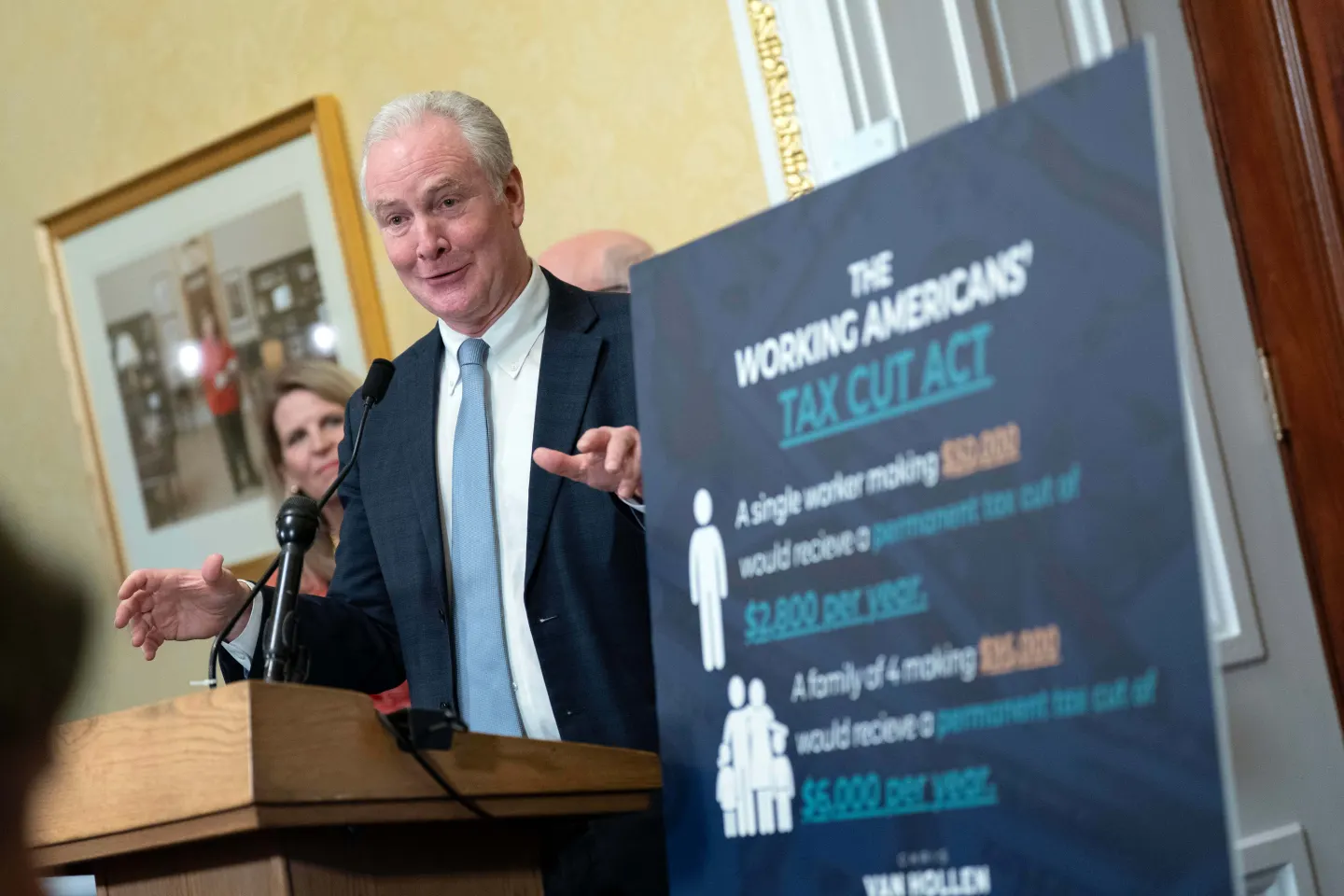
The upcoming vote sees a divide: Senate Democrats, led by Chuck Schumer, are advocating for an extension of the enhanced subsidies for another three years, a measure the Congressional Budget Office warns could add nearly $83 billion to federal deficits over the next decade but would sustain health coverage for many.
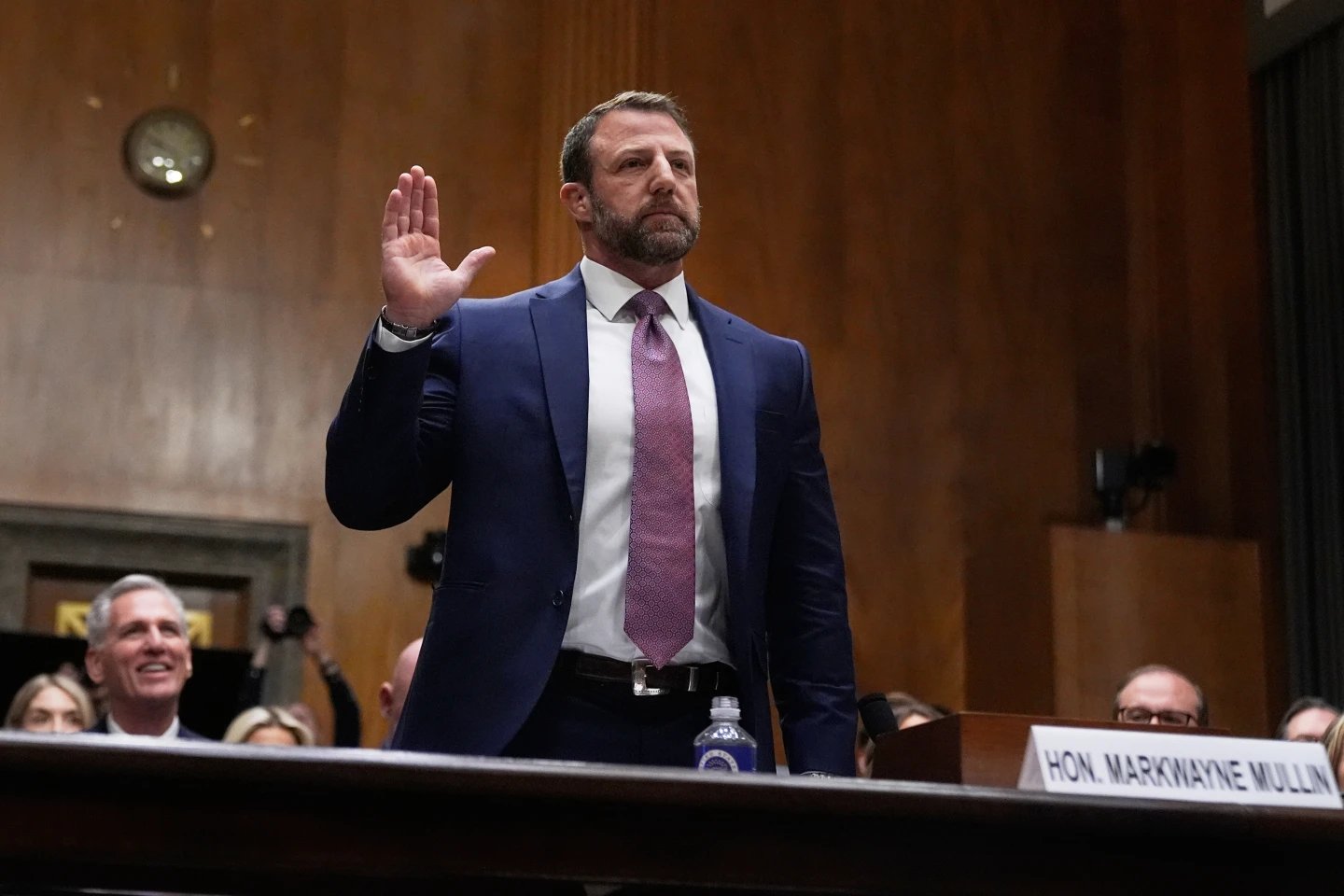
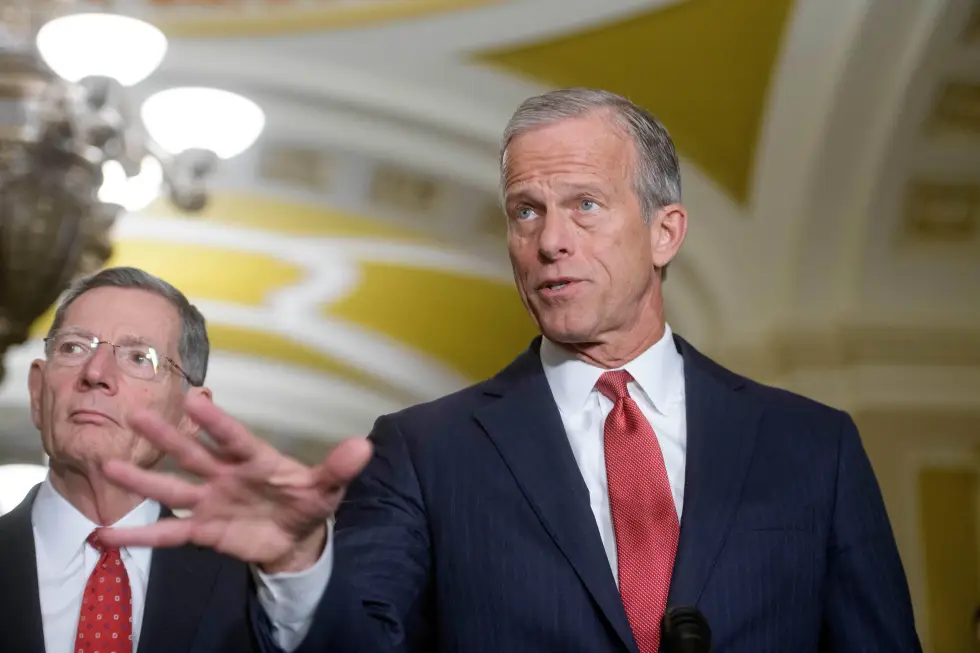
On the opposite side, Republicans are proposing to replace the expiring subsidies with health savings accounts under a plan from Senators Cassidy and Crapo, allowing individuals to save money for health-related expenses. Critics, however, argue that this approach may not sufficiently address the immediate needs of those facing steeply rising premiums.
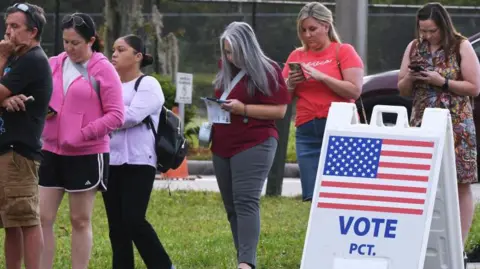
With only weeks until the subsidies are set to expire, the political stakes are rising. Voter sentiment towards rising health care costs is becoming increasingly pivotal, particularly as we approach the 2026 midterms. Both parties are aware that public opinion could shape future legislative actions and affect political outcomes.
The divergence in party strategies indicates a broader ideological divide regarding the best approach to healthcare reform. While Democrats emphasize subsidy extensions to alleviate immediate financial burdens on citizens, Republicans focus on giving individuals more control over their healthcare spending, albeit with an emphasis on lower-cost plans that might not provide comprehensive coverage.
Overall, the next steps in healthcare legislation will not only impact the financial realities of millions of Americans but also signal how each party plans to position itself before the upcoming midterm elections.