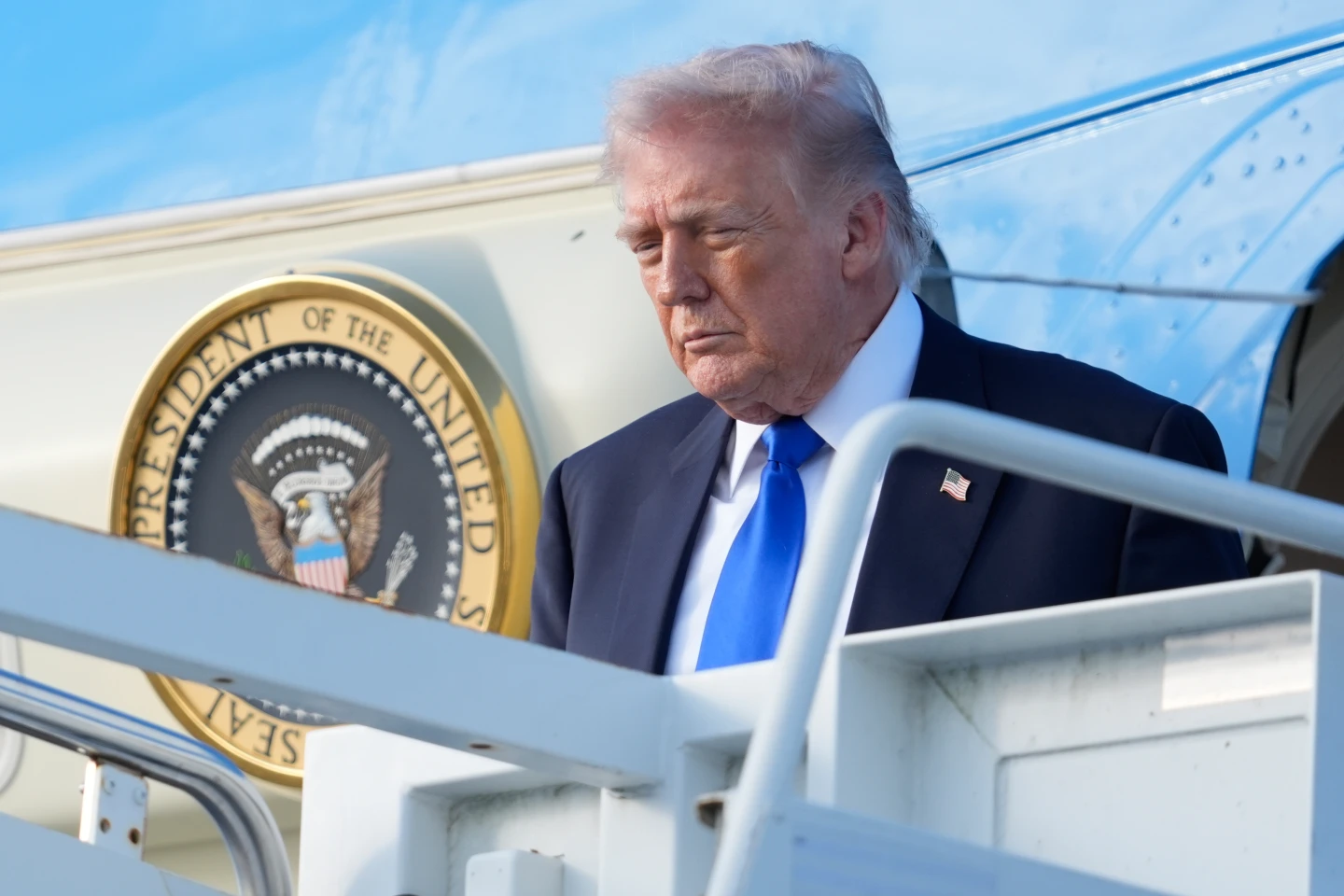
WASHINGTON (AP) — President Donald Trump is set to address concerns regarding housing affordability during his Wednesday speech at the World Economic Forum in Davos, Switzerland. However, the opulent backdrop of this elite gathering stands in stark contrast to the realities faced by many Americans trying to make ends meet.
While campaigning on promises to lower the cost of living, Trump now finds himself amidst billionaires in a town where vacation properties start at an eye-watering $4.4 million. Critics are quick to note this irony, arguing that Trump's engagement with the wealthy undermines his populist messaging.
According to Alex Jacquez, a figure at Groundwork Collaborative, At the end of the day, it’s the investors and billionaires at Davos who have his attention, not the families struggling to afford their bills. This sentiment reflects a broader concern that Trump's policies may cater more towards the ultrarich rather than the middle and working class.
In his first year back in office, Trump’s focus has largely tilted towards foreign policy, with significant attention on conflicts in Gaza, Ukraine, and Venezuela. Interest in acquiring Greenland appears to dominate his agenda, overshadowing critical domestic issues like housing.
The White House has attempted to pivot Trump's focus back to American affordability issues, amidst declining approval ratings linked to economic performance. Polling indicates that a significant majority of Americans attribute rising living costs to Trump's administration. Notably, only 16% of respondents feel Trump has significantly aided in making life more affordable, a sharp drop from 49% just over a year ago.
The president aims to secure investment commitments from billionaires and foreign entities to stimulate job growth, despite critics pointing out the inflationary environment and labor market troubles associated with his past tariff policies. Doubts linger regarding the effectiveness of these strategies.
Economic observers emphasize that voting sentiments are increasingly influenced by personal experiences over connections with billionaires, suggesting that Trump's approach may lead to political peril. The reality is many Americans are more concerned about their own economic conditions than the financial maneuvers of the ultrawealthy.
Trump's ambitious initiatives surrounding housing, including the idea of purchasing mortgage debt to alleviate interest rates and planning to curb large financial investments in real estate, face skepticism. These plans, while ambitious, may not address the deeper issues plaguing the housing market, such as long-standing construction shortages and ongoing price surges.
Despite Trump’s claims of creating a booming economy facilitated by his ties to influential figures, polling clearly demonstrates a disconnect between billionaire interests and the needs of average Americans.
As the world watches, Trump’s Davos address promises to be a significant reflection of his administration's priorities—one that may further highlight the enduring gaps between the wealthy and the working class.