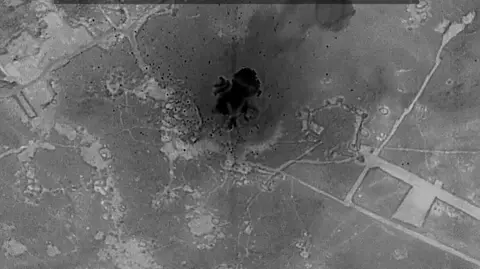
The US and its partner forces have carried out large-scale strikes against Islamic State (IS) group targets in Syria, announced by the US Central Command (Centcom).
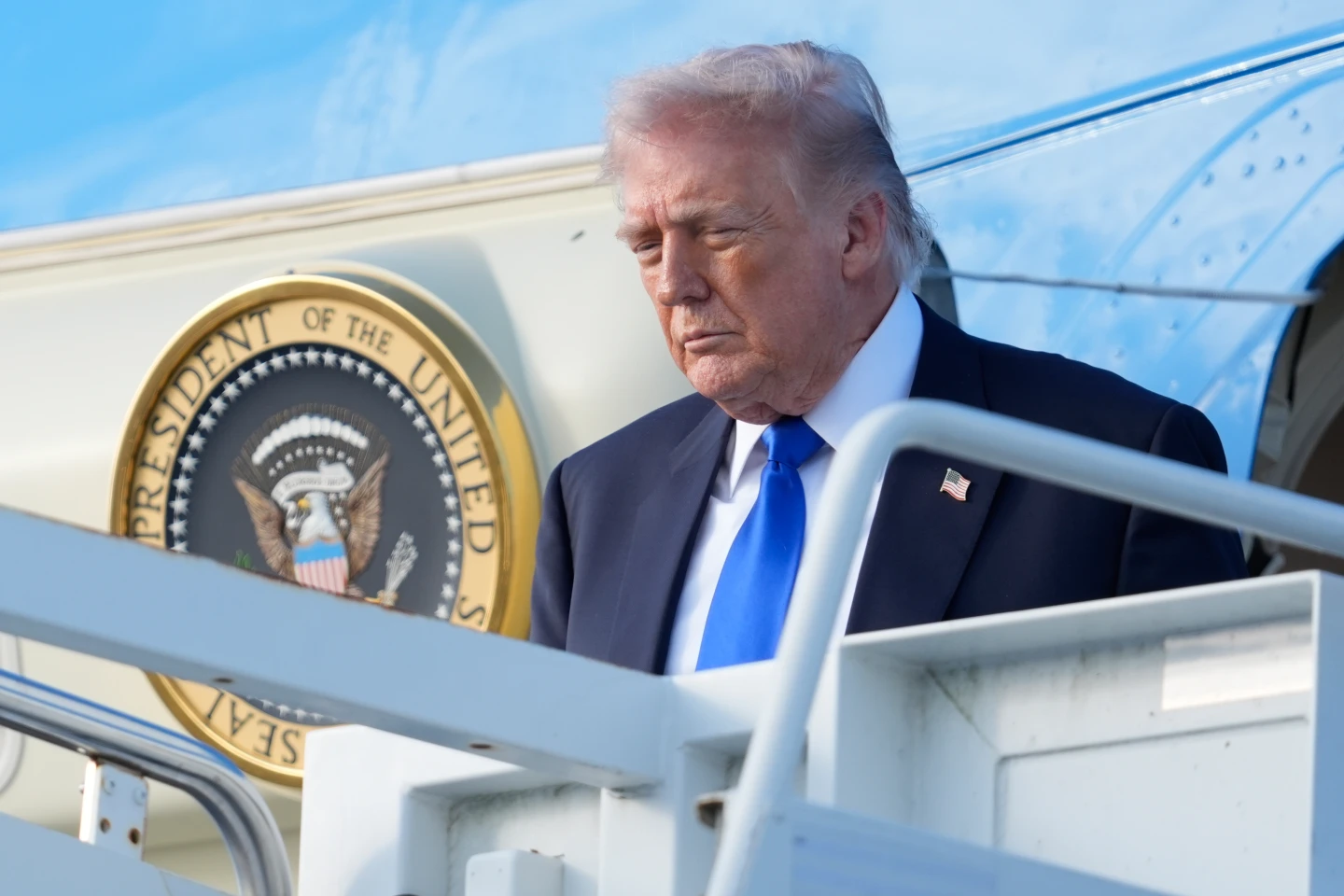
Directed by President Donald Trump, these strikes are part of Operation Hawkeye Strike, retaliating for the IS group's deadly attack on US forces on December 13. Centcom stated that the operation aims to combat terrorism and safeguard US allies in the region.
Our message remains strong: if you harm our warfighters, we will find you and kill you anywhere in the world, no matter how hard you try to evade justice, Centcom conveyed.
The operation involved extensive military resources: more than 90 precision munitions were fired at over 35 targets utilizing more than 20 aircraft, including F-15Es and A-10s, as reported by CBS News.
The precise locations hit and details about resulting casualties remain unclear. Defense Secretary Pete Hegseth reiterated the US commitment to avenge the attacks on its personnel, proclaiming that the military action signified not the start of a war, but a declaration of vengeance.
Prior to these recent strikes, the US military had already killed or captured around 25 IS members in a series of missions under Operation Hawkeye Strike. Notably, on December 19, a large-scale airstrike operation targeting IS infrastructure reportedly employed over 100 precision munitions across multiple locations.
In light of this ongoing conflict, many discussions surrounding the impacts and implications of such military actions continue in both political and humanitarian circles.