ALBANY, N.Y. — President Donald Trump’s push to install political loyalists as U.S. attorneys is encountering significant legal hurdles. Recently, multiple judges declared that several of his appointed U.S. attorneys, including ones for New Jersey, eastern Virginia, Nevada, and Los Angeles, were serving unlawfully.
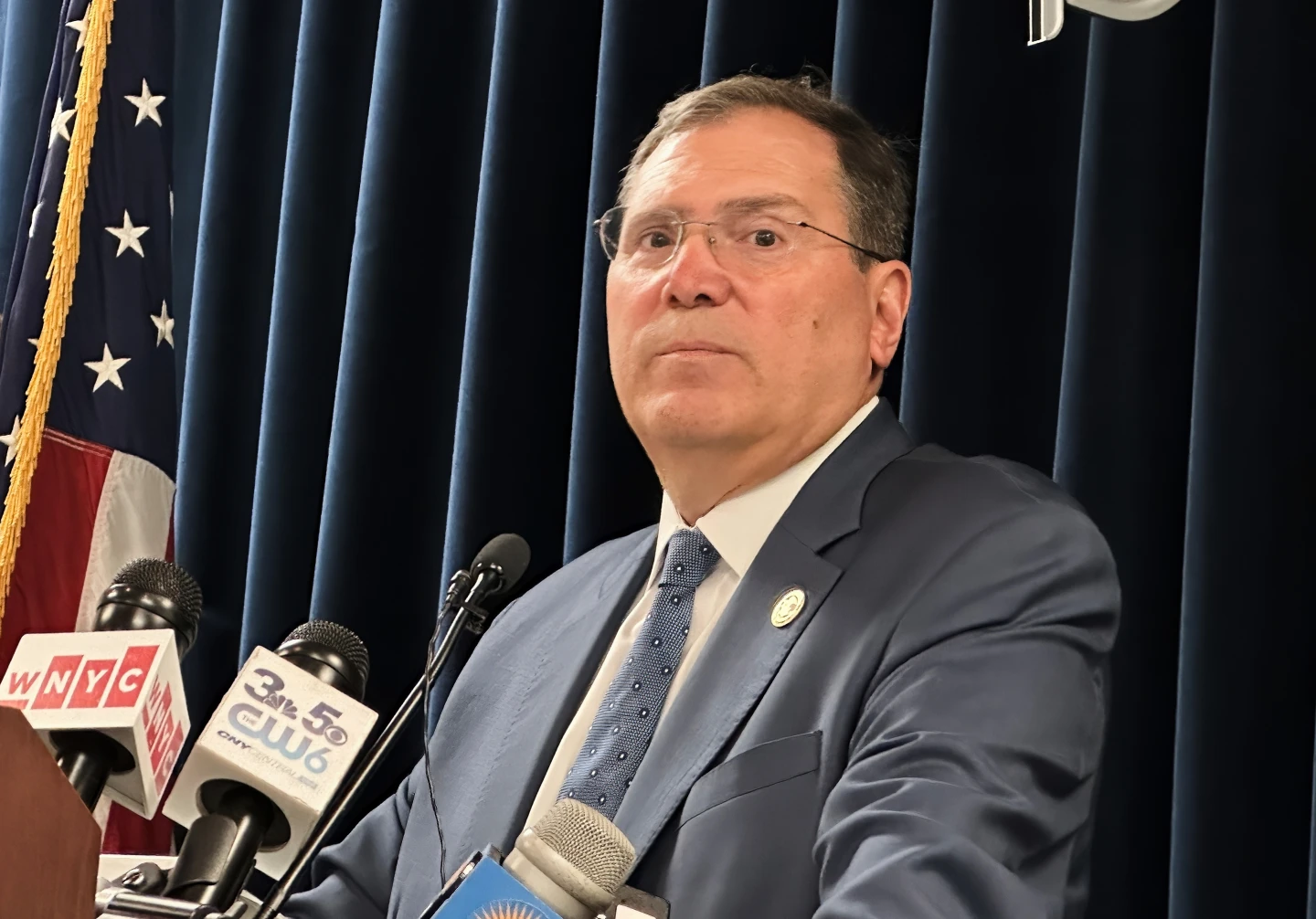
In a recent hearing, New York Attorney General Letitia James argued against the validity of John Sarcone’s role as acting U.S. attorney for northern New York, asserting that his authority is compromised as part of a broader campaign against Trump’s perceived opponents. James's legal team insists that Sarcone's issuance of subpoenas is illegitimate due to his claimed lack of authority.
During the court proceedings, James's attorney, Hailyn Chen, stated, Sarcone exercised power that he did not lawfully possess,” emphasizing that he ought to be disqualified from the investigation.
The Justice Department, however, contends that Sarcone’s appointment was legitimate and that any overwhelming demand to dismiss it would be extreme. Brian Belliss, an Assistant U.S. Attorney, argued that Sarcone can still engage in investigations as a special attorney, despite challenges to his acting designation.
The ongoing legal case highlights a broader concern with how the Trump administration appoints prosecutors, often trying to bypass stricter confirmation processes mandated by federal law. Under existing regulations, U.S. attorneys must be confirmed by the Senate, while temporary appointments can last only 120 days unless renewed or replaced by local judges.
In a notable turn last week, a federal judge in Virginia dismissed indictments against Letitia James based on the unlawful appointment of another Trump loyalist, Lindsey Halligan, indicating a trend in judicial pushback against such appointments.
Sarcone, who worked for Trump's campaign in 2016, has faced particular scrutiny as new developments unfold, with his appointment method coming under intense legal examination. As the situation evolves, it raises pivotal questions about the balance of political influence within the Justice Department and the legality of executive actions in prosecutorial appointments.