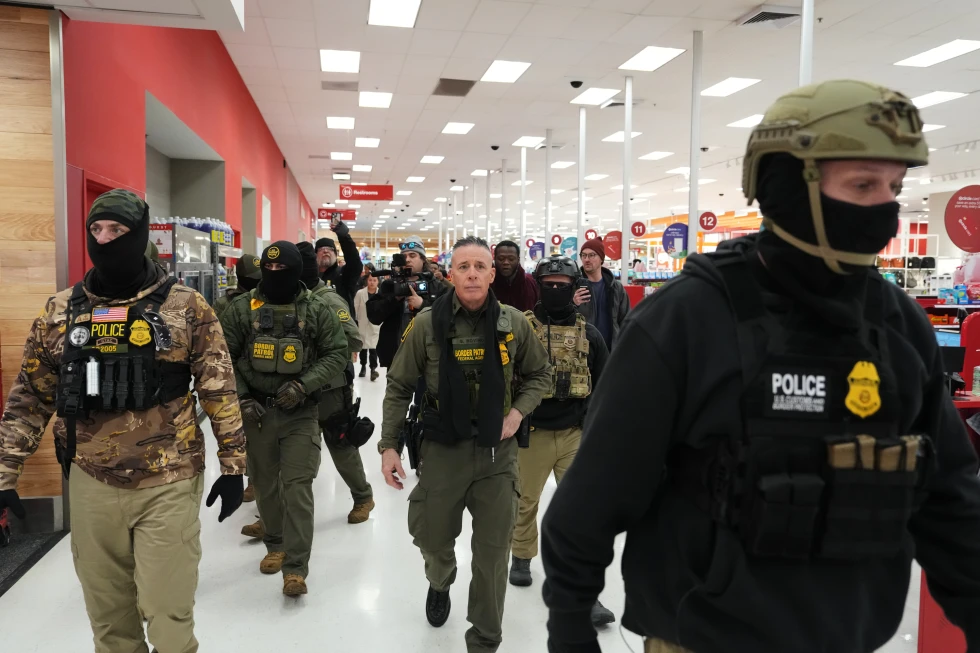
At Taste of East African in Minneapolis, the manager and owner are the only employees currently working, trying to serve new customers unfamiliar with the cuisine while grappling with the challenges presented by a federal immigration enforcement surge.
The restaurant's usual patrons are now hesitant to visit, fearing the possible repercussions of being in an area heavily populated by immigrants—frequently a target for immigration enforcement.
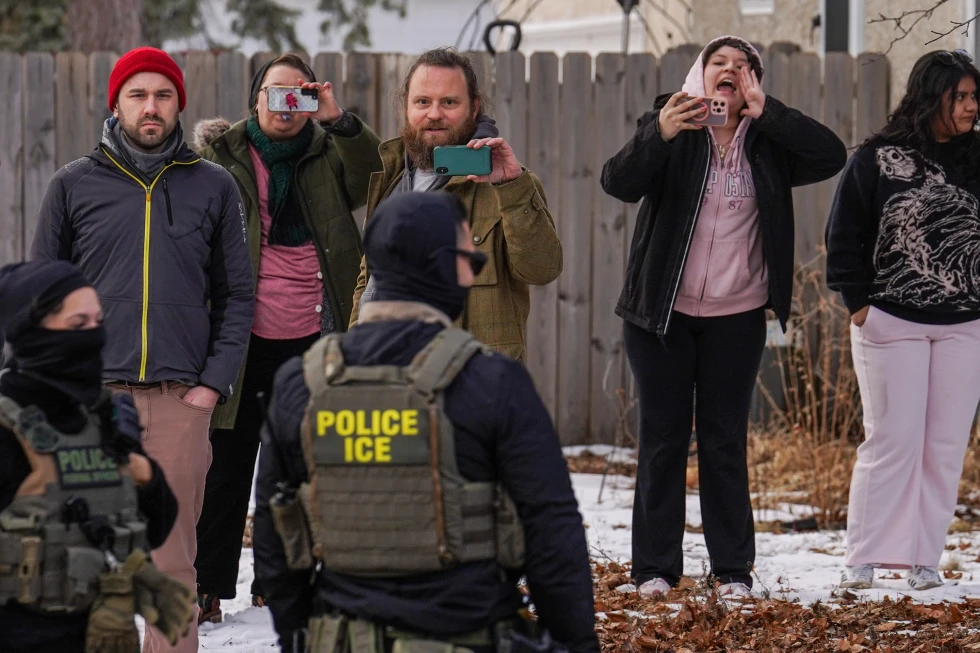
Manager Hibaq Nimale, a U.S. citizen raised as a refugee from Somalia, expressed the widespread fear: Even if you tell ICE (Immigration and Customs Enforcement) you’re a citizen, they won’t listen, so everyone is scared. This climate of fear is palpable as businesses across Minneapolis witness a downturn amidst the impending enforcement actions.
As businesses report drops in sales of up to 80%, many have shut down temporarily or reduced their operating hours in solidarity with the immigrant communities affected by the enforcement crackdowns.
I'm seeing it impact everybody due to lower levels of foot traffic and discretionary spending, said Adam Duininck, CEO of Minneapolis Downtown Improvement District.
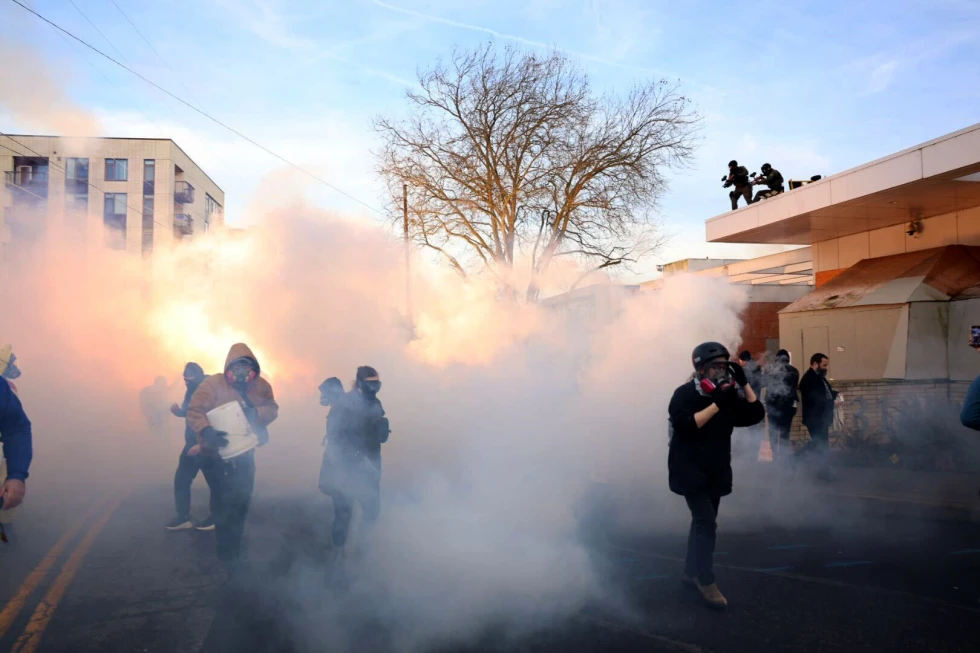
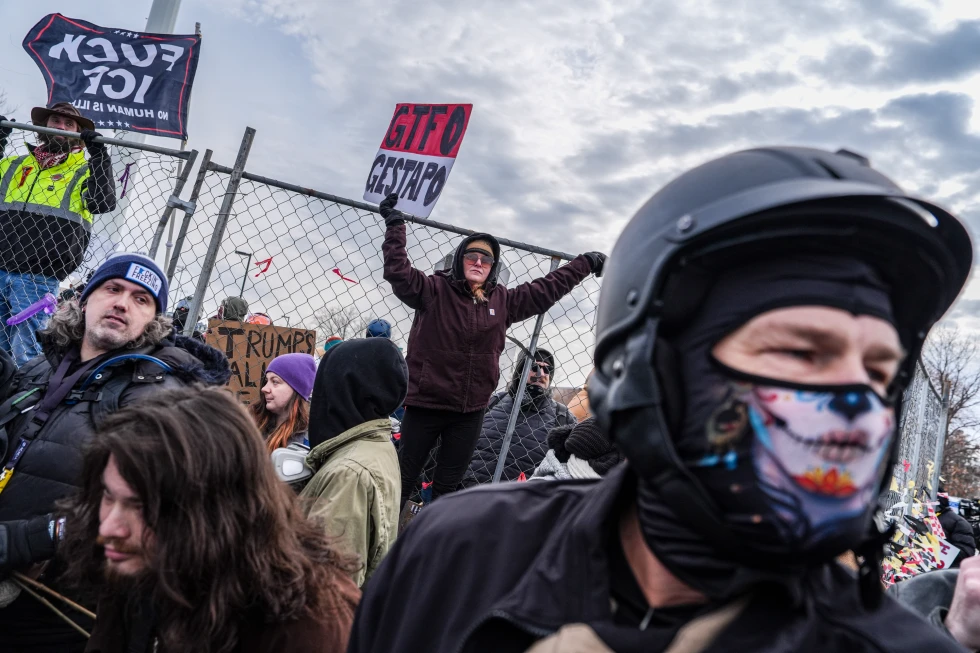
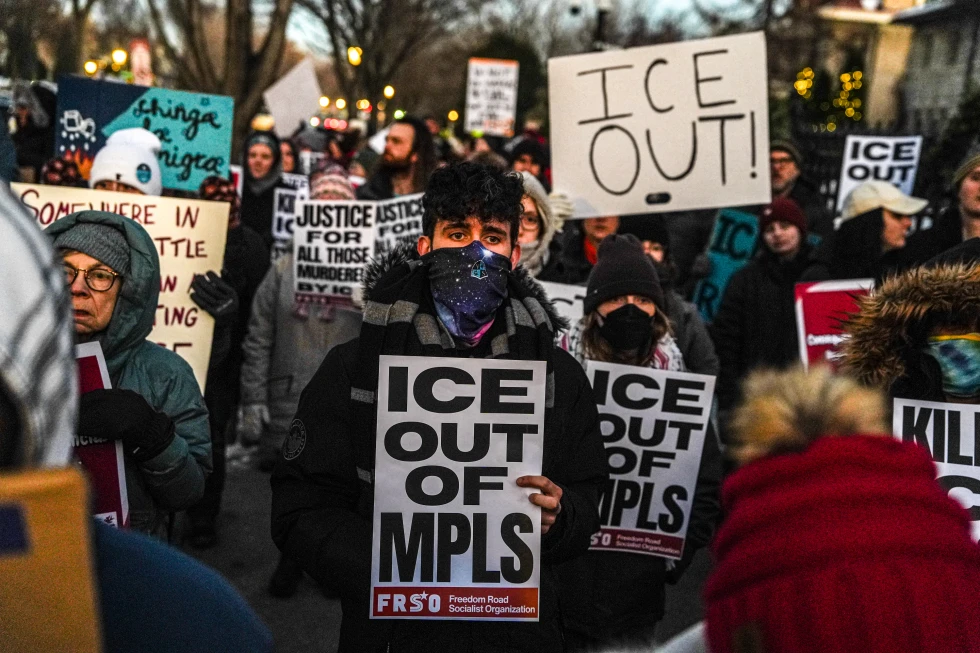
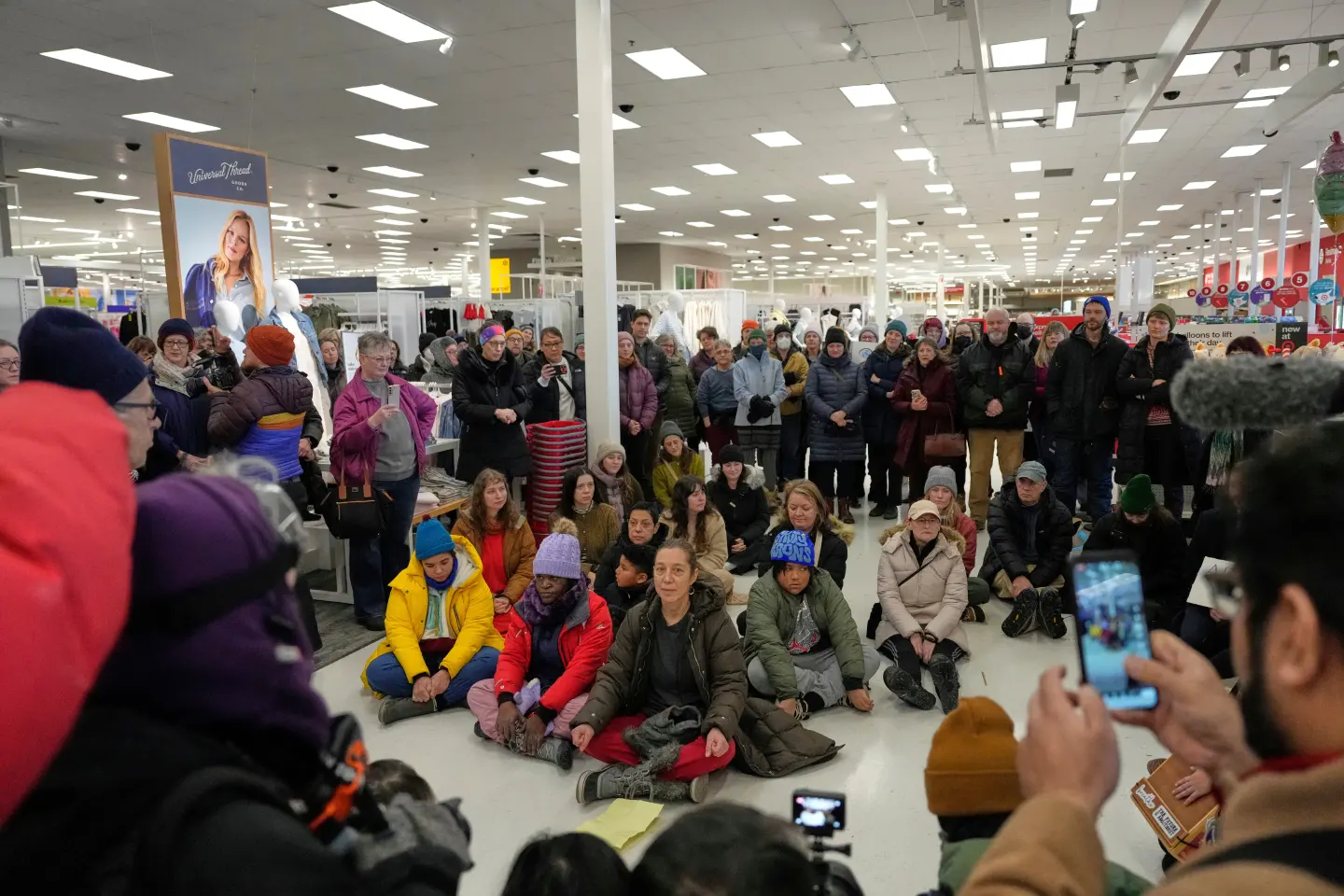
Local businesses, particularly in areas populated by immigrants, are struggling economically as protests against federal immigration enforcement have disrupted operations. Even hotels are feeling the strain, with chains like Hilton voicing concerns about safety amid protests.
Despite the challenges, Nimale reported that many neighbors have stepped in to support her restaurant, which used to cater largely to the Somali community. However, she worries about the sustainability of this kind of support. We don’t know how long we can get support, she said, reflecting the uncertainty faced by many businesses in the region.
The narrative in Minneapolis serves as a microcosm of the broader tensions surrounding immigration policy in the U.S., with calls for economic protests, boycotts, and legal protections against unjust federal actions becoming louder among local activists and community leaders.